
In this story
The most useful carry-on starts with a trip, not a bag. A weekend by train, a short flight and a work journey may need different capacities even when each lasts two days. A short packing exercise can reveal which features matter before you begin comparing colors, pockets and product names.
Write the actual packing list
Start with the objects that must travel: clothing, toiletries, medication you normally carry, work equipment and any additional shoes. Mark the items that need quick access during the journey. Then separate the things you tend to pack out of habit but rarely use. This gives a bag a specific job.
Account for the return journey too. A spare layer taken off in transit, a souvenir or a packed lunch can change the load. Leaving a little room is often more useful than choosing a bag that closes only after a carefully rehearsed arrangement on the bedroom floor.
Check the relevant allowance
Read the current baggage rules for the airline, route and fare you are actually booking. Distinguish a personal item from an overhead cabin bag, and include any weight limit. A product called a carry-on does not carry a universal promise of acceptance. The carrier’s own allowance is the relevant comparison.
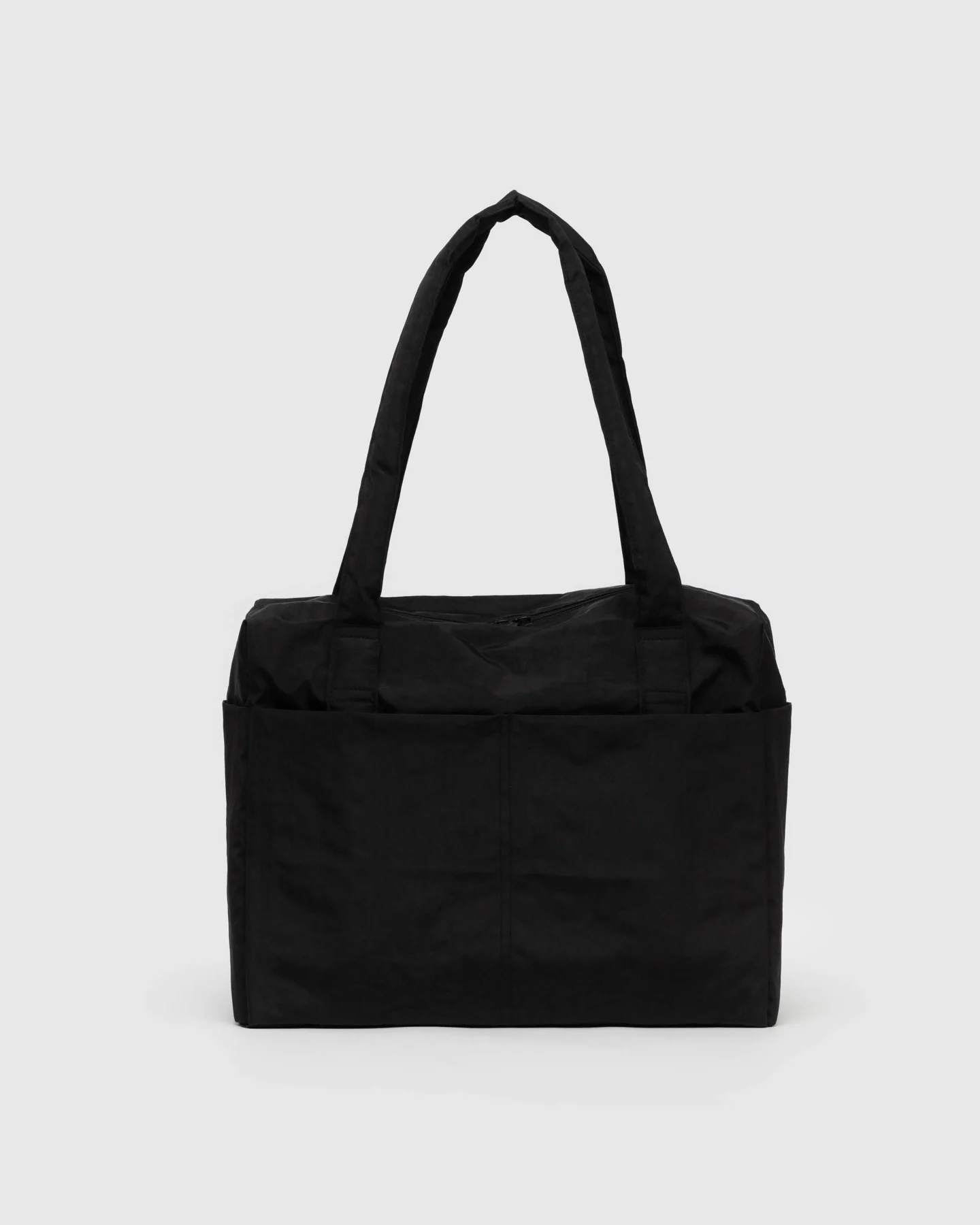
BAGGU’s Small Cloud Carry-On is an example of a soft travel tote with a side computer pocket and detachable packing pouch. Its usefulness depends on the loaded shape and your intended allowance, rather than the name alone. Compare those measurements with the bag once realistically packed.
Explore BAGGU Small Cloud Carry-OnMeasure the bulky pieces
Measure a laptop in its case, a shoe pouch and any rigid toiletry container. They determine usable space more reliably than an abstract liter figure. If a bag has many dividers, those same objects may fit differently from how they sit inside an open compartment. Allow for sleeves and protective padding.
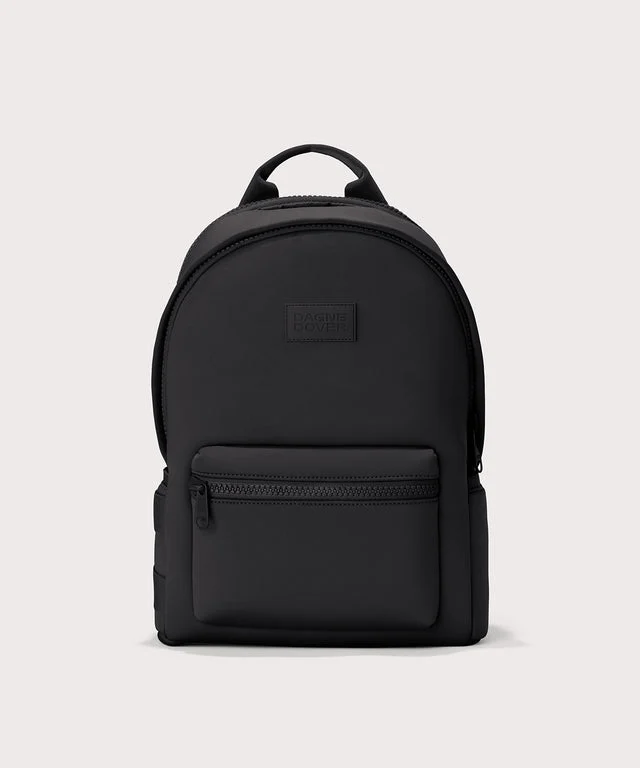
Dagne Dover’s Dakota comes in several capacities with different tech arrangements. That is a useful reminder to compare the exact size you would buy. A photograph of the Large should not stand in for measurements of the Small, even when the shape and color look similar.
Try carrying a realistic load
Before committing, pack an existing bag to roughly the weight and arrangement you expect, then carry it around the house. Consider stairs, standing in a queue and reaching a ticket while one hand is occupied. That exercise helps reveal whether shoulder handles, backpack straps or a wheeled option suit your route.
Choose the smallest bag that comfortably does the job, with reasonable spare space and appropriate protection for its contents. Keep tags and packaging until fit and packing have been checked within the return conditions. A bag that is easy to live with will be more useful than one chosen primarily to maximize a quoted capacity.
Explore Dagne Dover Dakota BackpackBefore You Buy a Carry-On, Pack the Trip on Paper
Explore the details, current availability and pricing directly at BAGGU.
Explore BAGGU Small Cloud Carry-On