
In this story
A list of wardrobe essentials can quickly become a list of things to buy. A more useful approach begins with the outfits you already repeat and the small problems that make them harder to wear. The aim is to find a clear job for a new basic, while keeping the clothes you already use at the center.
Notice three ordinary outfits
Choose three combinations from a normal week, including the least glamorous day. Write down what makes each one easy: a sleeve length that layers well, jeans with the right rise or a shoe that works with the commute. These details reveal your preferences more accurately than a generic checklist of timeless pieces.
Next, identify one specific frustration in each outfit. It might be a top that is too long to sit comfortably over a waistband, a layer that needs frequent care or a bag that is larger than necessary. Keep the problem small enough that you can judge whether a purchase genuinely solves it.
Compare shape before adding a color
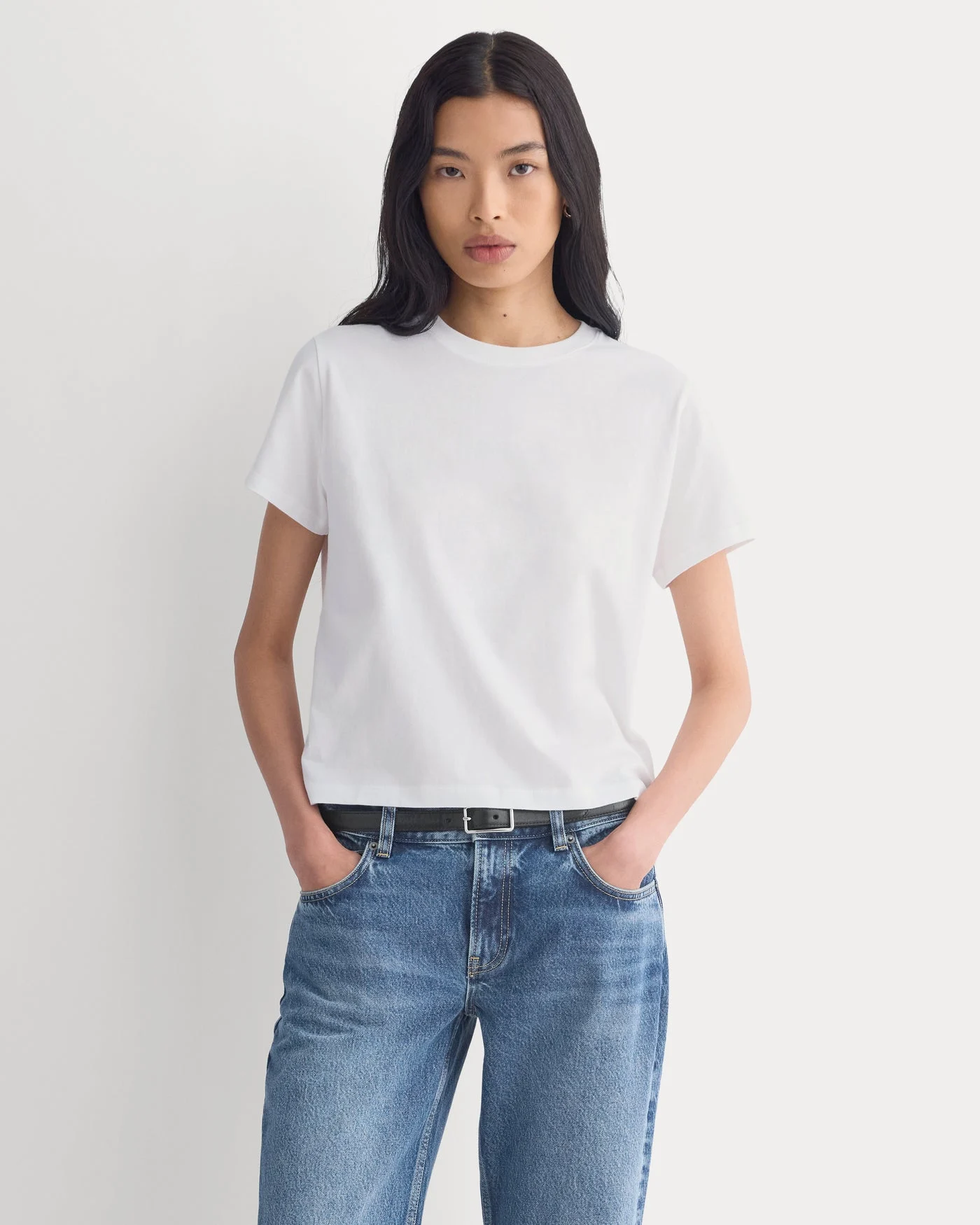
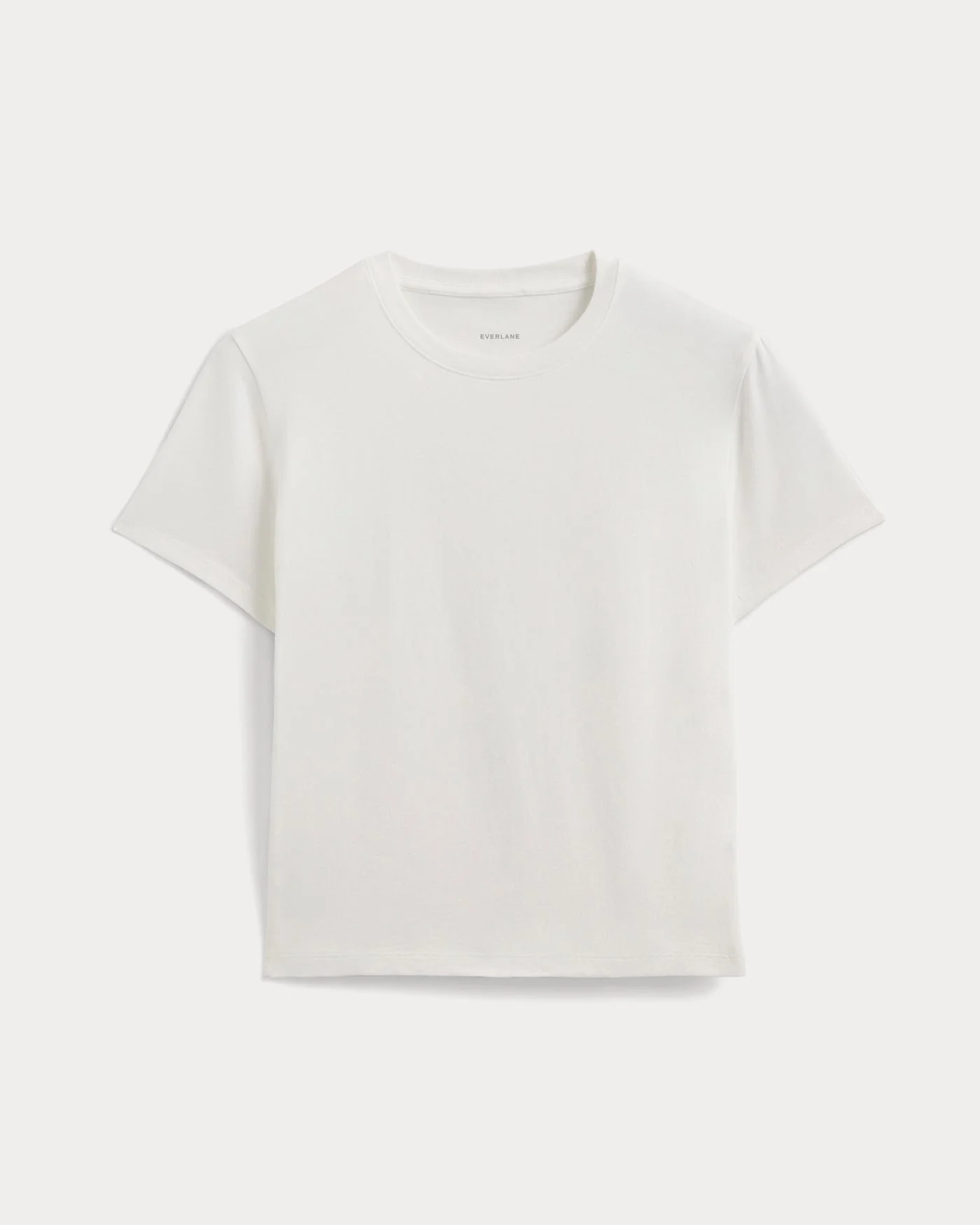
A familiar item in another color may be useful, but the right proportions come first. Everlane’s box-cut cotton tee, for example, has a different relationship with high-waisted trousers from a long, narrow tee. Consider the length and volume together rather than treating every white T-shirt as the same kind of basic.
Try the proposed piece with the actual garments it would join. Look at the shoulder, sleeve opening and hem, then sit and move. If the combination works only when tucked or adjusted in a way you dislike, a different shape may be a better solution than another styling compromise.
Shop Everlane Box-Cut Tee in Essential CottonLet the best-fitting pieces set the reference
Use a reliable pair of trousers or jeans to compare new tops and layers. Levi’s 501 Original can be one example of a repeat-wear straight leg, but the principle applies to the shape that works for you. A useful reference is the piece you wear comfortably, not a product made essential by its reputation.
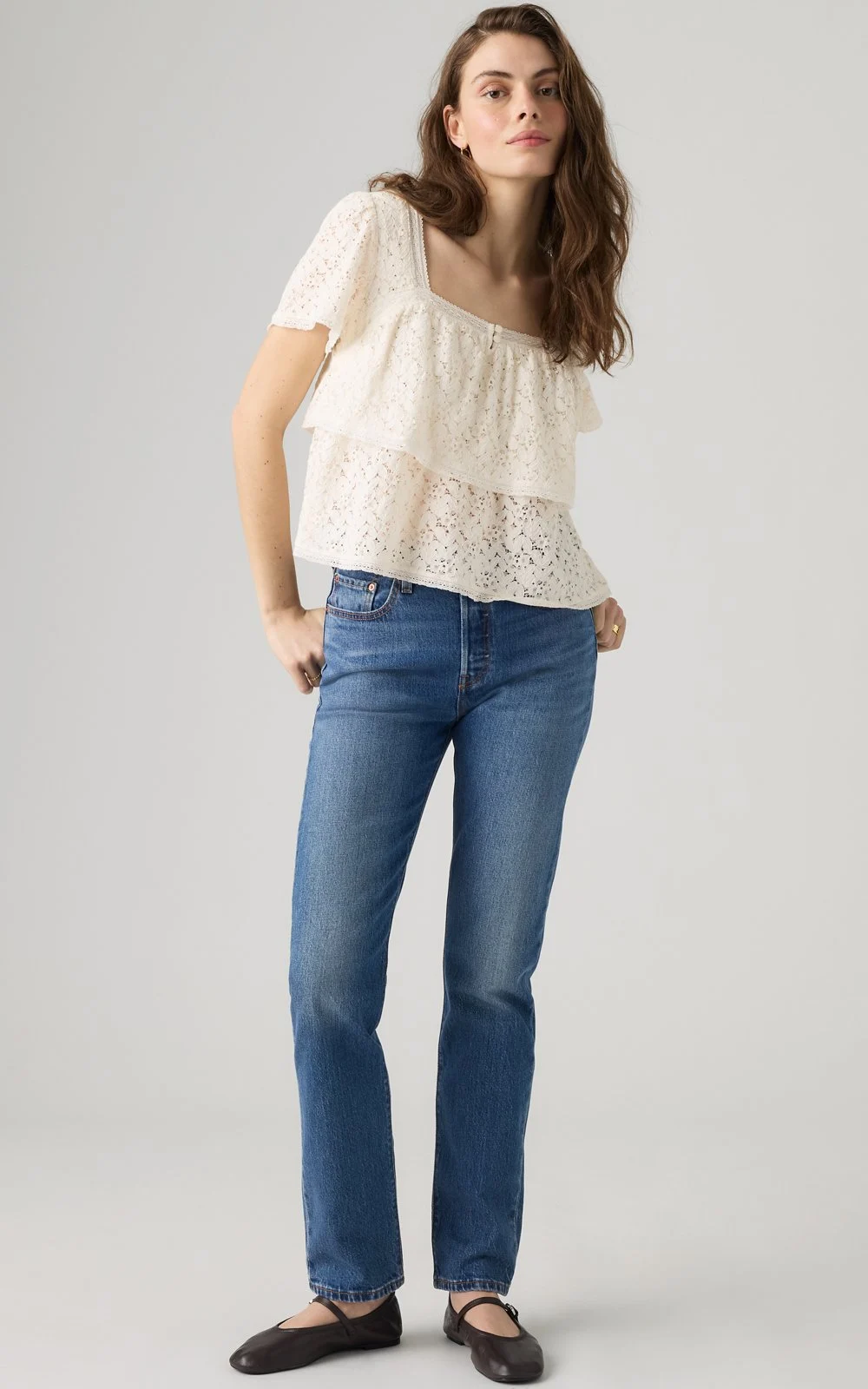
Record what matters about that garment: rise, fabric behavior, length and how it meets your regular footwear. Those observations help identify a real gap. They can also reveal that an alteration, a different combination or better care would make an existing item more useful without another purchase.
Add slowly enough to learn
Choose one candidate for the clearest gap and build several outfits around it before buying more. Keep the fitting reversible within the retailer’s conditions, then see whether the piece joins regular rotation. A small wardrobe becomes easier to manage when each addition is informed by use rather than a complete replacement plan.
There is no fixed number of basics that suits every climate, body or working week. Start with your own routines and maintenance preferences. Buy when the garment has a specific role and the fit supports it; keep the list of possible future purchases separate from what the wardrobe actually needs now.
Explore Levi’s 501 Original Women’s JeansBuild a Wardrobe Around the Outfits You Repeat
Explore the details, current availability and pricing directly at Everlane.
Shop Everlane Box-Cut Tee in Essential Cotton